
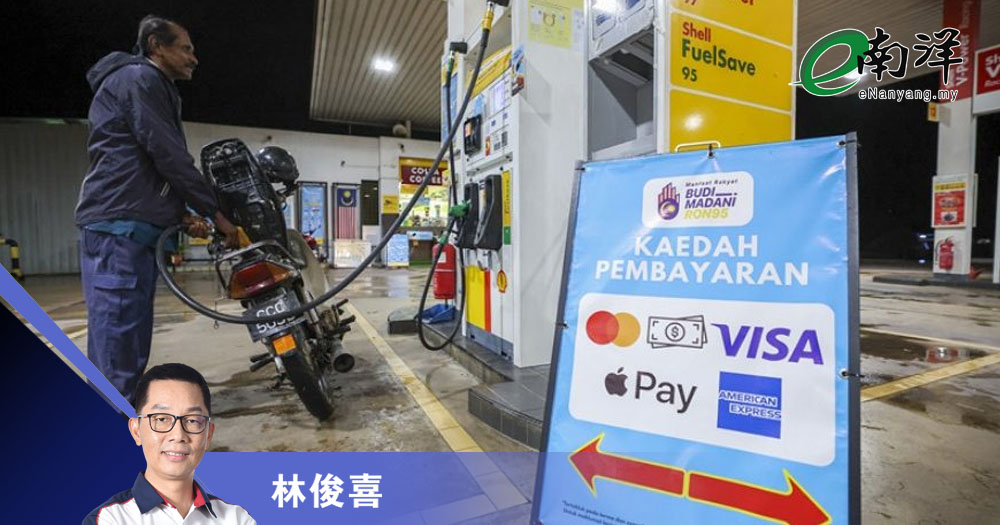
In today’s volatile economic environment, the greatest threats to a business are wasted resources, employee attrition, and operational inefficiency. With the nationwide launch of the BUDI MADANI RON95 fuel subsidy reform on September 30, 2025, Malaysia has not only restructured public finances—but also delivered a compelling model for how SMEs and large corporations can rethink operational systems.
Transitioning from a universal subsidy model to a targeted one, BUDI 95 uses MyKad identity verification to ensure that only Malaysian citizens aged 16 and above with valid driver’s licenses receive subsidized RON95 fuel at RM1.99 per litre. Each eligible person receives a 300-litre monthly quota—sufficient for about 3,000 km of driving—covering the needs of 99% of drivers. This new system is expected to save the country up to RM4 billion annually while plugging subsidy loopholes such as smuggling and misuse by non-citizens.
But for business owners, the true value of BUDI 95 lies not in petrol prices—but in the thinking and strategy behind the system, which offers a replicable blueprint for resource optimization, digital transformation, workforce management, risk mitigation, and employee benefits.
Smart Resource Allocation
Limited resources must be directed toward areas that generate the highest value.
BUDI 95’s success stems from not giving everyone the same thing, but ensuring those who need help receive enough. Businesses can adopt this mindset by investing their budgets in the most impactful areas.
Many SMEs experience “resource leaks” through overstocked inventory, misallocated manpower, or aimless marketing spends. Instead of spreading resources thin, companies should use data tools to regularly review operations and apply “quota-based” strategies like BUDI 95—setting KPIs for each department and auditing budget effectiveness regularly.
Employee Benefits Are Productivity Fuel
Benefits aren’t costs—they’re strategic investments in people.
The core aim of BUDI 95 is to protect the mobility and productivity of citizens. The government ensures people can travel to work and live with stability through fuel subsidies. Similarly, businesses can view employee benefits as investments, not expenses.
SMEs facing high staff turnover and loyalty challenges should start with basic benefits like group medical insurance, accident coverage, or wellness allowances—especially for field staff such as salespeople or technicians.
Studies show replacing an employee can cost over RM10,000 in recruitment and training. A sound benefits system not only improves morale and satisfaction but also reduces absenteeism and boosts overall productivity.
Technology That’s Simple and Transparent
The simpler the tech, the higher the adoption—and the stronger the trust.
One highlight of BUDI 95 is its frictionless integration with tech. Users don’t need to download extra apps; they simply tap their MyKad at the petrol station and check their quota through the website or station app.
This simplicity and transparency are often overlooked in digital transformation. Tech should not be complex—it should be intuitive and embraced by users.
SMEs can start by implementing cloud-based accounting systems or CRM software. Large corporations can leverage AI and data tracking tools to enhance forecasting and risk management. Platforms like easycover.my have already integrated insurance enrollment, claims, and benefits tracking into one simple portal—helping employees feel valued and engaged.
Inclusion and Fairness
Seeing the needs of frontliners strengthens the core of the team.
BUDI 95 is not a one-size-fits-all policy. It gives priority access and higher quotas to groups like low-income citizens and uniformed personnel—ensuring help reaches those most in need.
Companies can learn from this by designing customized benefits for different employee segments. For example, better medical coverage for junior staff, flexible work hours for single parents, or retirement planning assistance for older workers.
This approach fosters inclusivity and strengthens company culture. For large organizations, these practices can be aligned with CSR or ESG initiatives—enhancing public image and meeting sustainability benchmarks.
Risk Management and Sustainability
Smart risk control is the foundation of long-term business resilience.
Another key takeaway from BUDI 95 is how it prevents misuse through identity verification—effectively stopping smuggling and abuse.
Businesses too should focus on risk prevention. Integrating liability insurance, cyber protection, or workplace accident coverage into employee benefits can protect against unforeseen losses.
At the same time, BUDI 95 subtly encourages energy efficiency. Businesses can introduce green commuting incentives or sustainable office programs—reducing both environmental impact and operational costs.
Closing Thoughts
True efficiency is only possible with robust systems behind it.
BUDI 95 is more than a subsidy policy—it’s a system reform. It teaches us that strategic resource allocation, tech-enabled transparency, human-focused policies, and fairness are essential for building economic resilience.
Whether you’re a startup, an SME, or a large enterprise, this mindset is worth embracing. Let BUDI 95 inspire a new chapter in your business: where systems are smart, people are empowered, and efficiency fuels long-term success—even in uncertain times.